Swiss Lifestyle Minimalism and Wellness Trends
Living in a world that constantly demands more, more speed, more consumption, more noise, has pushed many people to quietly search for something different. A lifestyle that feels lighter. Cleaner. More intentional. That is where the idea of structured simplicity begins to feel less like a trend and more like a necessity.
Across Europe, especially in Alpine regions, people are reshaping how they define comfort and success through refined living patterns connected to Swiss Wellness Trends. It is not just about beauty or design, it is about how life is organized, how decisions are made, and how mental clarity is preserved in a fast-moving global marketplace.
Understanding Swiss Minimalist Lifestyle Philosophy
There is something almost architectural in the way Swiss living philosophy approaches daily life. Everything has purpose, everything has order, and nothing is left to chance. This mindset has become increasingly relevant as global lifestyles become more fragmented and digitally overloaded.
Modern discussions about Swiss Wellness Trends often highlight how simplicity is not just aesthetic, it is therapeutic. It supports emotional stability, reduces cognitive fatigue, and enhances decision-making in environments filled with constant stimulation.
The concept of Swiss Lifestyle Minimalism is not about deprivation. It is about refinement, removing excess so clarity can emerge. In practical terms, it influences how people choose homes, design routines, and even structure digital habits. According to Dr. Elena Rüegg, a Swiss behavioral psychologist, “When individuals reduce environmental noise, their cognitive performance improves dramatically because attention becomes more selective and stable.”
This philosophy is deeply rooted in cultural behavior that values precision and intentionality over accumulation. It is less about owning less, and more about experiencing more through less interference.
Cultural roots of simplicity and order
Swiss cultural identity has long been shaped by discipline, neutrality, and structured living. These traits naturally translate into environments where minimal clutter is not just preferred but expected. Homes are organized in a way that supports mental efficiency, while public spaces reflect quiet order rather than visual chaos.
Design influence in Swiss homes and cities
Architecture in Switzerland reflects a deliberate balance between nature and functionality. Clean lines, open spaces, and natural materials dominate both urban and rural environments. Cities like Zürich demonstrate how urban planning can prioritize human well-being over density overload, creating livable ecosystems rather than overwhelming landscapes.
Decluttering and intentional living habits
Decluttering in Swiss culture is not treated as an occasional activity but a continuous lifestyle discipline. Every possession is evaluated based on utility and emotional neutrality. Many people adopt intentional consumption habits aligned with long-term thinking, such as how Swiss minimalist lifestyle improves mental clarity and productivity through structured environments.
Wellness Culture in Modern Switzerland
Switzerland’s approach to wellness extends far beyond spa treatments or luxury retreats. It is embedded into how people move, work, and recover daily. Life is designed to support equilibrium between productivity and restoration.
The rise of Swiss Wellness Trends has also influenced global wellness markets, especially in how people perceive health as a continuous system rather than a reactive solution. As wellness strategist Markus Keller explains, “True health is not an intervention, it is a lifestyle architecture that prevents imbalance before it begins.”
Alpine wellness retreats and spas
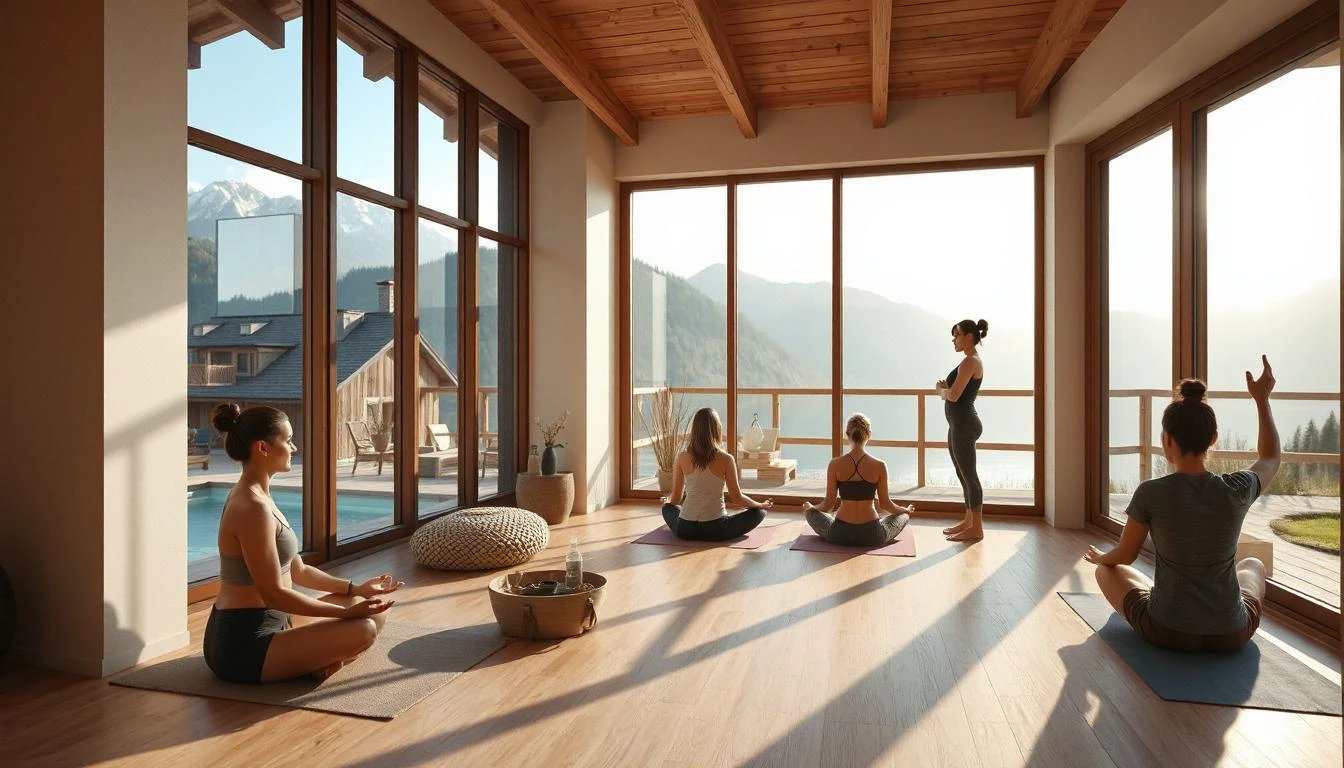
The Alpine region has become a global reference point for regenerative wellness experiences. Thermal waters, mineral-rich treatments, and altitude-based recovery systems are combined to create environments that restore both physical and emotional energy. These spaces are designed not for escape, but for recalibration.
Outdoor fitness and nature therapy
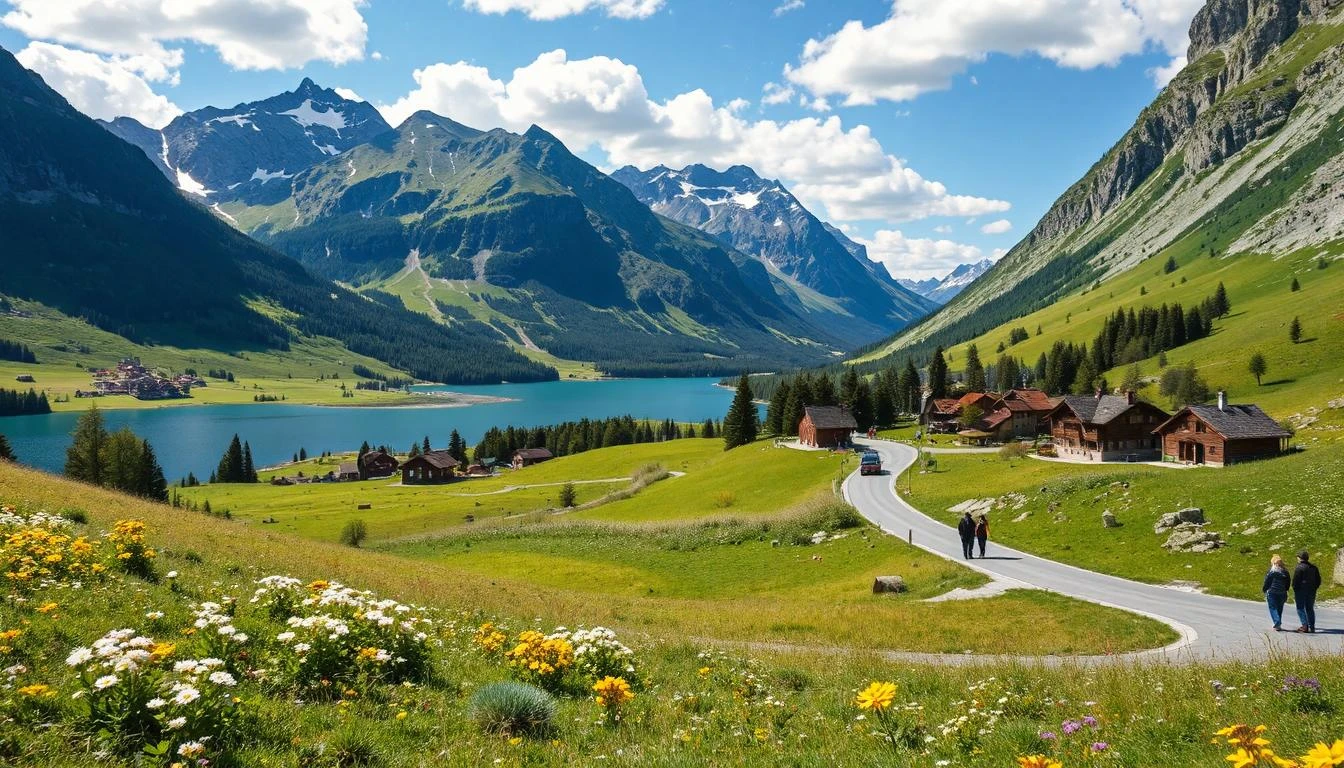
Physical activity in Switzerland is deeply connected to geography. Hiking trails, forest paths, and mountain landscapes are part of everyday movement culture. Nature therapy is widely recognized for its ability to reduce stress hormones and restore mental clarity, making outdoor fitness a foundational aspect of Swiss living.
Mental health and work-life balance practices
Work-life balance in Switzerland is structured around sustainability rather than intensity. Work environments encourage focused productivity followed by meaningful recovery time. This balance reduces burnout risks and supports long-term emotional resilience in an increasingly competitive global economy.
Modern Trends in Healthy Swiss Living
As global societies evolve, Swiss living principles are increasingly merging with digital behavior and environmental awareness. The result is a hybrid lifestyle that combines tradition with modern adaptation.
The expansion of Swiss Wellness Trends into digital spaces reflects how deeply wellness has become integrated into lifestyle decision-making. People are no longer just consuming wellness, they are designing their lives around it.
Sustainable consumption and eco-lifestyle
Sustainability is a core behavioral principle in Switzerland. Consumption is guided by long-term impact rather than short-term satisfaction. Eco-conscious living includes reduced waste systems, energy-efficient homes, and responsible purchasing habits that prioritize durability over quantity.
Digital detox and mindful living
In response to constant digital exposure, many individuals adopt structured disconnection periods. This includes reducing screen dependency, practicing mindfulness routines, and engaging in offline restoration activities. These habits are increasingly associated with improved focus and emotional balance.
Nutrition and holistic wellness approaches
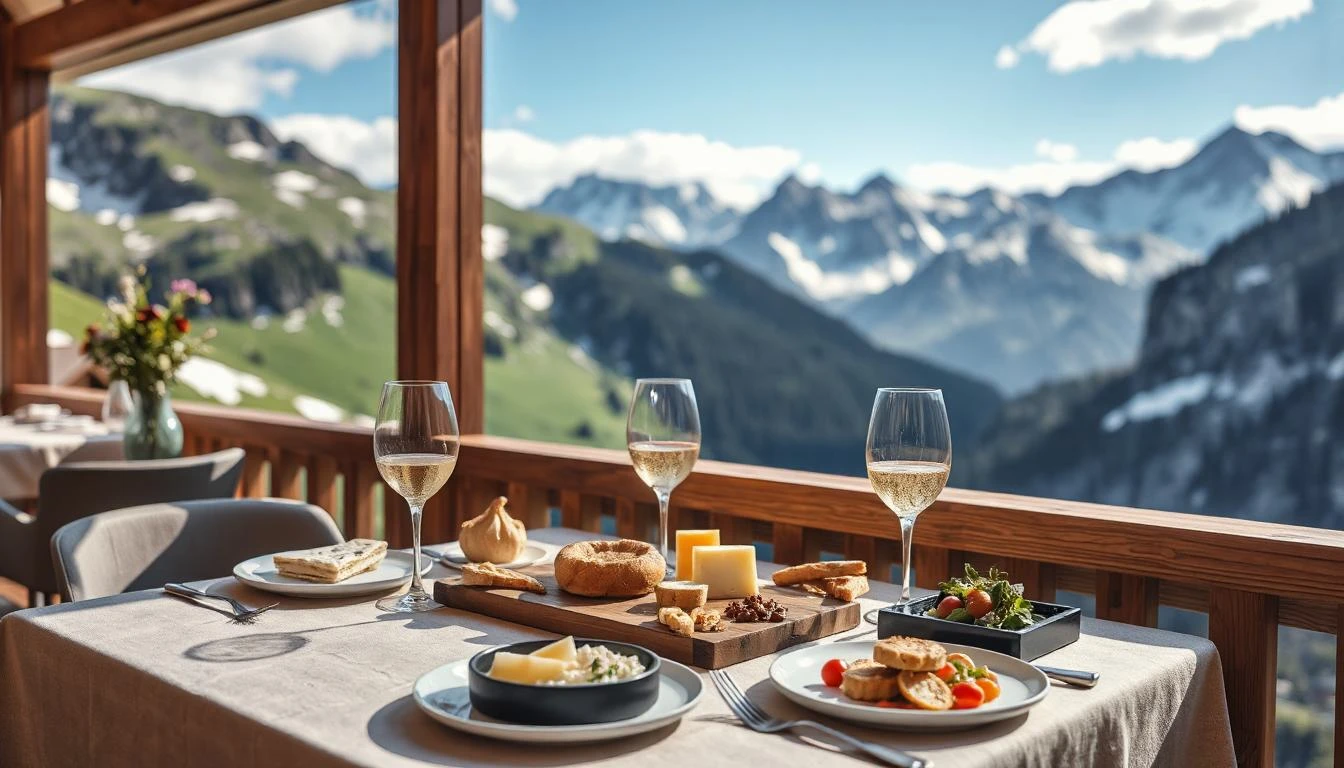
Swiss nutrition culture emphasizes organic sourcing, seasonal ingredients, and balanced dietary structures. Food is viewed as functional nourishment rather than emotional compensation, reinforcing the broader philosophy of holistic well-being.
Embrace Swiss Minimalism and Wellness in Your Life
There is a quiet shift happening in how people define a meaningful life. It is no longer about accumulation, but alignment, between space, mind, and action. Swiss Lifestyle Minimalism offers a framework that is both practical and deeply transformative when applied consistently.
As you reflect on your own environment, you may begin to notice how much mental space is consumed by unnecessary complexity. Removing that noise does not limit life, it expands it. Simplicity, when practiced intentionally, becomes a form of freedom rather than restriction.
The integration of Swiss Wellness Trends into daily living shows that well-being is not a destination but an ongoing design process. Every choice either adds clarity or creates friction.
When asked about modern living systems, sociologist Dr. Henri Meier once noted, “Societies thrive when individuals learn to design their environments with intention rather than reaction.” This perspective aligns closely with Swiss living principles, where structure creates space for peace.