Swiss Food Dining and Mountain Cuisine Trends
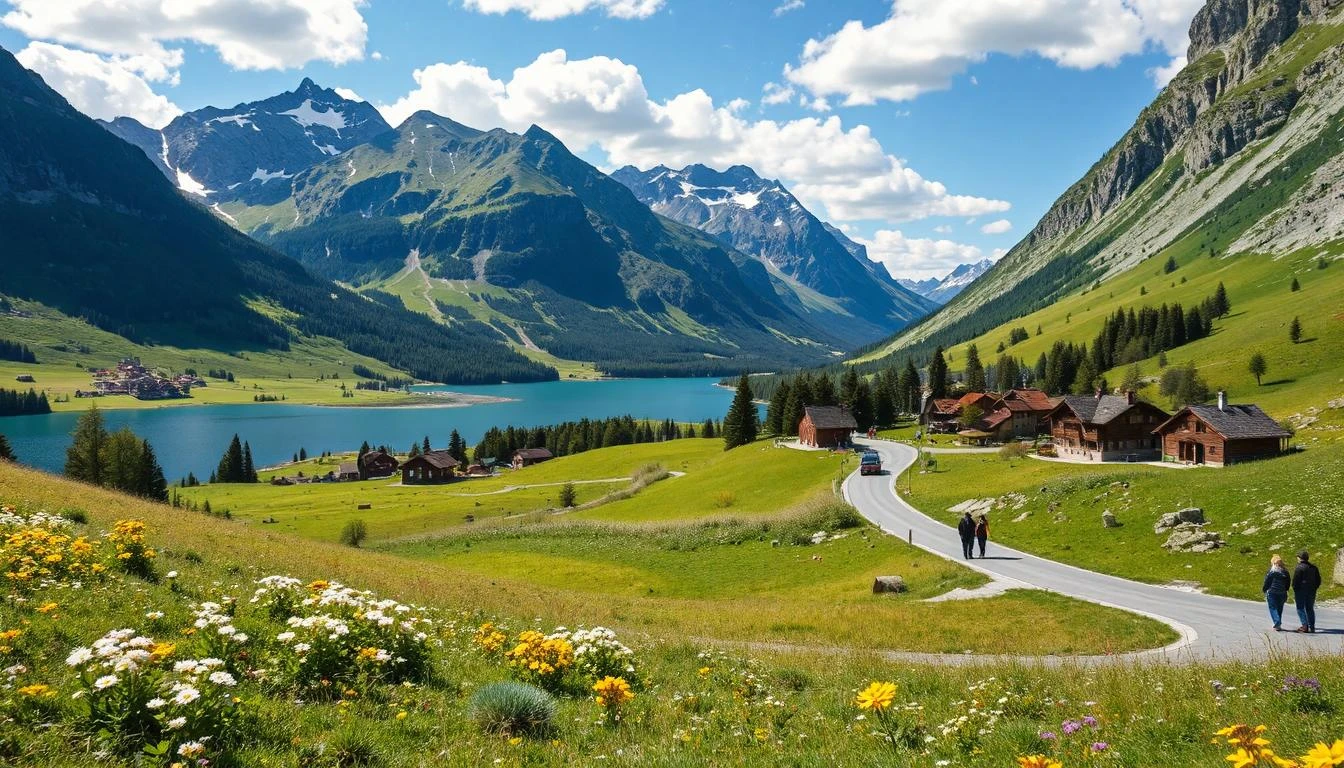
Hidden between snow-kissed peaks and deep alpine valleys lies a culinary world that quietly shapes Europe’s gastronomic identity. Every trail, chalet, and mountain village whispers stories of tradition transformed into taste. This is not just food culture, it is a living ecosystem of flavor, heritage, and innovation.
Modern travelers are no longer simply observing Switzerland; they are tasting it, layer by layer, through its evolving food landscape. Within this journey, Swiss Food Dining emerges as a central experience that connects geography, culture, and culinary craftsmanship in one seamless narrative.
Introduction to Swiss Culinary Heritage
Swiss culinary heritage is built like its mountains, layered, resilient, and deeply rooted in nature. Before exploring the modern plate, it is essential to understand how history shaped every bite you see today.
The foundation of Swiss Cuisine Trends is strongly tied to regional identity, where every canton contributes a different culinary voice shaped by climate, terrain, and cultural exchange.
Regional food diversity across Switzerland
Switzerland’s culinary map is a mosaic of influences. French elegance, German heartiness, and Italian vibrancy coexist in a single country, creating a dynamic food identity that constantly evolves.
Influence of Alpine farming traditions
The rhythm of alpine farming defines Swiss gastronomy. Cheese-making, curing, and preservation techniques were born from necessity and now stand as culinary art forms that define Swiss Food Dining culture today.
Evolution of modern Swiss cuisine
Contemporary Swiss chefs reinterpret ancient recipes with scientific precision. According to culinary researcher Jean-Luc Moret, “Swiss cuisine succeeds because it never abandons its roots while embracing innovation at altitude.”
Signature Swiss Dishes and Dining Culture
Swiss dining culture is slow, intentional, and deeply communal. Meals are not rushed events but shared experiences that build connection and memory.
The evolution of Swiss Cuisine Trends continues to shape how traditional dishes are presented, transforming rustic meals into globally admired culinary icons.
Cheese fondue and raclette traditions
Few experiences define Switzerland more than melted cheese shared around a table. Fondue and raclette are not just dishes, they are rituals of togetherness passed through generations.
Chocolate craftsmanship and innovation
Swiss chocolate represents precision and artistry. Each creation reflects decades of refinement, making it one of the most respected pillars of Swiss Food Dining globally.
Local mountain ingredients and seasonal menus
Seasonality dictates everything. Alpine herbs, wild game, and forest mushrooms appear only when nature allows, ensuring authenticity in every dish served.
Chef Elena Kaufmann once said, “In Switzerland, the mountain decides the menu long before the chef does.”
Modern Trends in Swiss Dining Experiences
Swiss gastronomy is evolving rapidly, blending sustainability, technology, and global influence into a refined culinary ecosystem.
Here, Swiss Cuisine Trends are not static, they are adaptive, reflecting changing consumer expectations and environmental awareness.
Farm-to-table and organic dining movements
The rise of hyper-local sourcing has reshaped Swiss kitchens. Farmers and chefs now collaborate directly, reducing distance between production and plate.
Gourmet restaurants in alpine regions
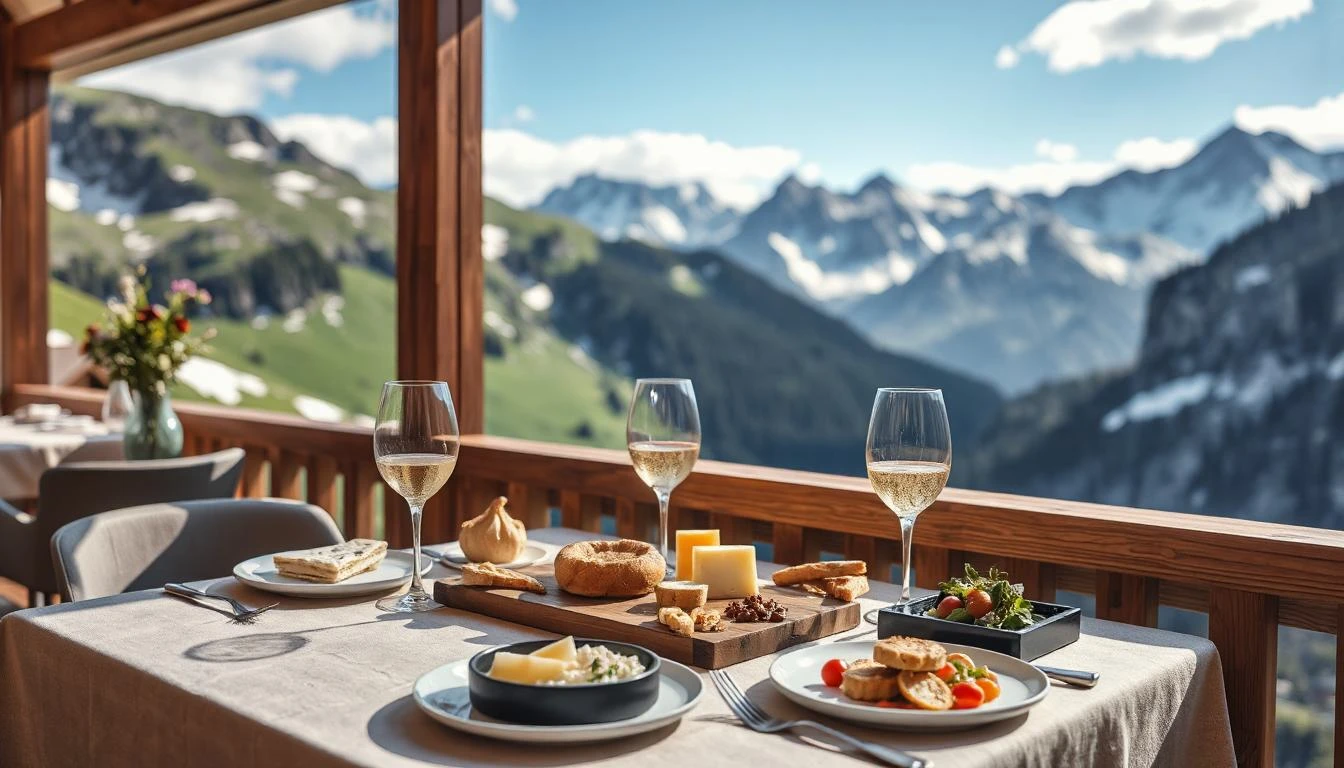
High-altitude dining experiences are redefining luxury. Restaurants perched above cloud lines offer immersive encounters where scenery and cuisine merge seamlessly into Swiss Food Dining excellence.
Fusion cuisine and global influences
Swiss chefs are increasingly integrating Asian, Middle Eastern, and Nordic influences. This fusion creates bold interpretations while preserving alpine authenticity.
Explore the Taste of Swiss Mountain Cuisine Today
Swiss mountain cuisine invites you to slow down and engage with food at its purest level. Every bite reflects altitude, climate, and centuries of refined tradition. This is where Swiss Food Dining becomes more than cuisine, it becomes an experience of place and identity.
Travelers today are exploring interactive culinary journeys such as cheese-making workshops, alpine herb foraging, and chocolate crafting sessions. These experiences transform passive dining into active cultural participation.
The rise of digital food platforms also makes discovering hidden alpine restaurants easier than ever, allowing global audiences to connect with authentic mountain kitchens in real time.